



No and Low Alcohol Wine Filtration
Reliable microbial control for sensitive, low alcohol wine styles.
No/Low alcohol wines continue to grow in popularity, yet reduced alcohol and lower SO₂ levels can create a more favourable environment for microbial activity. As a result, these wines benefit from a controlled, multistage filtration process that supports stability, clarity, and sensory protection without relying on heat or increased preservatives.

Why is No and Low alcohol wine more sensitive?
No and Low alcohol wines lack the intrinsic microbial inhibition that traditional alcohol levels provide. Combined with reduced SO₂ strategies, residual sugar, early release profiles, and minimal intervention winemaking, No and Low alcohol wines can create conditions where yeasts and bacteria remain active.
This increases the likelihood of:
- Refermentation after bottling
- Off flavors
- Haze or turbidity formation
- Reduced shelf life
Understanding these sensitivities is key to designing a stable bottling strategy for No and Low alcohol wines.
What risks do No and Low alcohol wines create for winemakers?
Because No and Low alcohol wines can be more microbiologically vulnerable, producers must manage the activity of:
- Saccharomyces yeasts
- Acetic acid bacteria
- Lactic acid bacteria (e.g., Oenococcus oeni, Lactobacillus spp.)
At the same time, winemakers must protect the wine’s sensory attributes including aroma, flavor, color and mouthfeel. The challenge is achieving stability through a process that is highly selective yet gentle.
Winemakers take pride in their wine’s identity. Filtration should help protect that identity, and maintaining this balance is critical for producers. These risks shape the priorities for producers working with no and low alcohol wines.

What matters most to No and Low alcohol wine producers
Producers of No and Low alcohol wines typically focus on four core priorities: microbiological stability, sensory integrity, compatibility with reduced SO2 strategies, and consistent bottling performance. These priorities shape how filtration must function in a No and Low alcohol wine environment.

Microbiological Stability
A reliable, mechanically defined barrier that helps control yeasts and bacteria without heat or additional preservatives.

Sensory Preservation
Minimal impact on aroma, flavour and visual clarity when filtration is applied to well clarified wines and as confirmed through appropriate site evaluation.

Reduced SO2 Compatability
A filtration approach that supports microbiological assurance in wines produced with lower preservative strategies.

Process Consistency
Predictable operation, CIP/SIP durability and integrity testing that support a robust quality assurance program.
How do trends and risks influence the no and low alcohol wine filtration process?
As No and Low alcohol wine production grows, reduced alcohol and preservative levels can contribute to increased microbiological sensitivity, making well‑controlled filtration more important. A staged sequence helps manage microbial risk while protecting wine quality.

How does filtration support stability in No and Low alcohol wines?
Filtration offers a cold, non thermal, mechanically defined microbial barrier that supports stability without heat or increased chemical preservatives. No and Low alcohol filtration approaches can be applied across a wide range of winery scales, with flexible clarification and membrane options. For No and Low alcohol wines, this helps maintain clarity, microbial control and consistent bottling performance.
Core advantages of final membrane filtration
- Supports microbiological stability immediately before bottling
- Complements reduced SO2 production approaches
- Helps maintain aroma, flavor, and visual appearance when wines are appropriately clarified upstream
- Provides consistent, repeatable bottling performance

Steps in the No and Low Alcohol Wine Filtration Process
A staged filtration train supports clarity, stability and consistent membrane performance across no/low alcohol wine styles, with dealcoholisation integrated upstream of final membrane filtration.

Overview of the no and low alcohol wine production process, highlighting clarification, protein and tartrate stabilization, filtration, and dealcoholization steps prior to bottling.
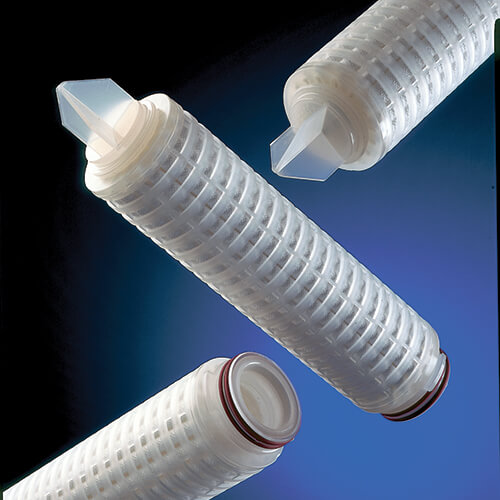
Supor* Beverage SBB Final Filters
- Supor* Beverage SBB filter cartridges are designed for final membrane filtration in wine, including No/Low alcohol wine styles. Key characteristics include:
- A hydrophilic PES membrane engineered for high flow at low differential pressure
- Laid over pleat construction that promotes uniform flow distribution
- Low adsorption characteristics supporting minimal sensory impact as demonstrated through appropriate site validation
- Robust mechanical strength suitable for repeated CIP and sanitization cycles
- Integrity testable performance to support documented process control
Supor Beverage SBB is used as the final membrane filtration step in No and Low alcohol wine production. The solutions below support the earlier stages of production, from clarification to prefiltration, as part of a complete No and Low alcohol wine filtration train.
The solutions below illustrate how Pall technologies support different stages of the No and Low alcohol wine filtration process.
-
Oenoflow™ Crossflow Systems
-
Depth Filtration
-
Precart PP II & Profile® Star
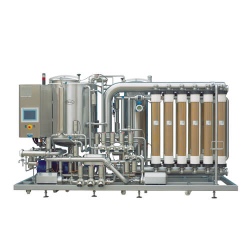
Crossflow clarification that supports downstream filtration performance by reducing particulate and colloidal load in wine.
Key benefits:
- High clarity for subsequent polishing
- Continuous, automated operation
- Reduced diatomaceous earth (DE) handling and disposal
Depth filtration helps remove fine particulates, colloids and haze precursors as part of the wine stabilisation process preparing no and low alcohol wines for downstream prefiltration and final membrane filtration. Pall’s depth filtration portfolio includes SUPRApak™ modules and SUPRAdisc™ II modules, which are commonly used to prepare No/Low alcohol wines for downstream prefiltration and final membrane filtration.
Key benefits:
- Effective reduction of colloids, fine particles and haze forming compounds
- Supports longer service life of prefilters and final filters
- Closed, hygienic module formats suitable for winery operations
Prefiltration solutions that help protect final membrane filters and maintain consistent flow and pressure during bottling operations.
Key benefits:
- Reduces residual particulate load
- Supports predictable final membrane filtration performance
- Compatible with winery CIP and sanitization regimes
Frequently Asked Questions
Is filtration sufficient to stabilise no and low alcohol wines?
Final membrane filtration is an important element in supporting microbiological stability when used as part of a complete filtration sequence and paired with appropriate bottling hygiene.
Does filtration affect aroma or mouthfeel?
Supor Beverage SBB membrane filters are designed to show minimal sensory impact when used on appropriately clarified wines, as confirmed through appropriate site‑level validation.
How is no and low alcohol wine filtration different from standard wine filtration?
Lower alcohol levels reduced SO2 strategies, and residual sugar can increase microbiological sensitivity, making a more controlled and conservative filtration approach important.
Is final filtration compatible with reduced SO₂ strategies?
Yes. Final membrane filtration supports microbial control in wines produced with reduced or no preservative strategies.
*Emflon/Supor are trademarks of Cytiva.
Contact a Wine Filtration Specialist