



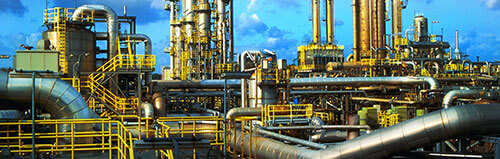
Midstream Filtration Solutions for Gas Processing and Pipeline Protection
The reliability of midstream oil and gas processes is essential to keeping upstream production and downstream refining facilities online. Midstream filtration refers to the separation of oil, gas and water and the removal of solid contaminants from produced fluids and process streams to support reliable operation across midstream transportation and processing systems.
Midstream filtration and separation also support fluid systems such as compressor lubricants and solvent recycle streams. Effective contaminant removal helps minimize equipment downtime, extend the life of capital equipment and improve the efficiency of processing operations.
Midstream operations rely on fluid separation systems to remove produced water from liquid hydrocarbons and reservoir gases. This is necessary to help preserve pipeline integrity and protect downstream equipment, while Pall filtration and separation technologies support consistent performance and reduced maintenance frequency to help maintain streamlined midstream operations.
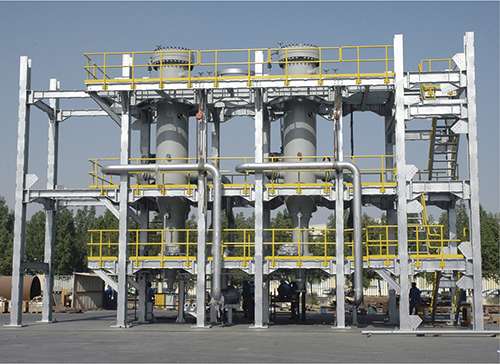
Overview of Pall liquid/gas coalescers used in oil and gas production and processing applications.
Need a solution for a specific midstream challenge?
Explore applications for acid gas sweetening, mercury removal, dehydration, pipeline protection and carbon capture.
Midstream Gas Processing Flow Overview

High level midstream gas processing sequence showing separation, gas treating, dehydration, mercury removal, NGL separation, fractionation and liquefaction stages.
Midstream operations rely on fluid separation systems. The separation of produced water from liquid hydrocarbons and water/gas removal is necessary for processing pipelines, improving uptime and supporting downstream equipment performance. Pall offers filtration and separation solutions designed to deliver consistent performance, reduce maintenance frequency and help maintain efficient, streamlined operation across the midstream sector.
Midstream Applications
Select the area of your operation to explore relevant filtration and separation solutions.
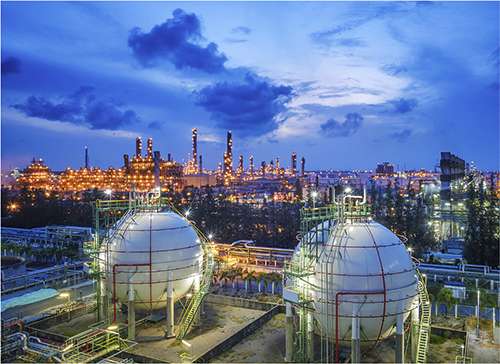
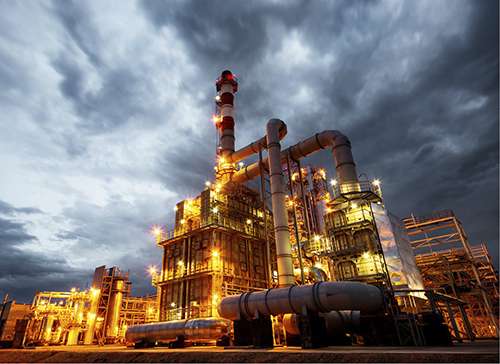
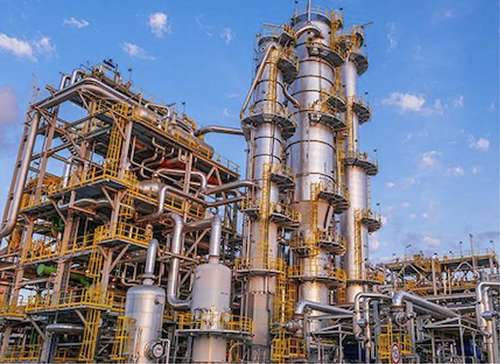
Pipeline Applications
Why Midstream Filtration Matters
It is essential to separate and filter produced oil, gas and water to preserve pipelines and downstream equipment. Other fluids such as lubricants and solvents also require filtration for contamination removal. Failure to remove these contaminants can reduce the lifespan of pipeline and downstream equipment and increase the risk of unscheduled shutdowns. Proper filtration improves reliability and helps maintain clean fluid streams throughout processing.
Filtration for Transmission and Pipeline Protection
In midstream gas transmission and pipeline networks, further filtration is required downstream to purify fluid streams. This includes the removal of particulate and other contaminants that may enter pipelines, as well as separation of liquid carryover from gas streams. These contaminants can accumulate and cause wear on pumps, valves and pipeline infrastructure. Effective pipeline filtration helps preserve operational stability and protects downstream assets.
Pall Expertise Across Midstream Operations
With a broad range of filtration and separation technologies, Pall provides solutions to help manage contamination throughout the midstream oil and gas value chain. Our technologies are used to support contamination control in transmission gas processing, NGL purification and LNG operations. With a deep history of supporting oil and gas applications, Pall’s products are designed to support reliability and efficiency across critical midstream operations.
Contact Us
If you would like to learn more about improving the efficiency of your midstream processes, contact our filtration experts.
Frequently Asked Questions
What is midstream filtration?
Midstream filtration involves removing solids, liquids and other contaminants from oil, gas and produced fluids to help maintain the purity of transported hydrocarbons, protect pipelines and support downstream equipment performance.
Why is filtration important in midstream operations?
Filtration helps manage contaminants that can affect compressors, turbines, burners, solvent systems and downstream processing units. Removing solids, water and aerosols helps protect equipment, reduce maintenance frequency and support reliable operation across midstream activities.
What contaminants are commonly removed in midstream processing?
Midstream filtration typically removes liquids, solids, aerosols, lube oil carryover, water, and contaminants such as H₂S, CO₂ and mercury that can corrode pipelines and negatively affect processing units such as glycol dehydrators, amine sweetening systems and molecular sieve beds.
Which midstream processes require filtration and separation?
Filtration supports multiple stages of midstream operations including inlet gas separation, acid gas sweetening, glycol dehydration, condensate stabilization/fractionation, mercury removal, NGL separation and liquid/gas separation needed to protect compressors, heat exchangers and treating units.
How does filtration help protect pipelines?
By removing solids, liquids and other impurities, filtration helps reduce corrosion, fouling and fluid instability that can impact pipeline integrity. Cleaner gas and liquid streams help preserve equipment life and support consistent downstream processing performance.
How does midstream filtration support downstream operations?
Consistently removing contaminants upstream helps prevent unwanted carryover into downstream refining and petrochemical units. This supports process stability, reduces risk of equipment fouling and helps maintain the performance of treating systems such as amine and glycol units.
What role do coalescers play in midstream filtration?
Liquid/gas coalescers help remove liquids and solids from gas streams to protect compressors, turbines, amine contactors, glycol units and catalyst beds. Effective coalescence reduces foaming, corrosion and contamination-related downtime
For more information on improving the efficiency of your processes, contact our team of filtration experts.